At Suhana Piles Clinic, we provide safe, minimally invasive, and highly effective Ayurvedic Ksharasutra treatments for Piles, Fissure, Fistula, Pilonidal Sinus, Abscess, and other ano-rectal conditions with faster recovery and excellent long-term results.

We provide specialized Ayurvedic Ksharasutra treatment for various ano-rectal diseases with modern facilities, expert care, and personalized treatment plans.
Effective treatment for internal and external hemorrhoids with minimal pain.
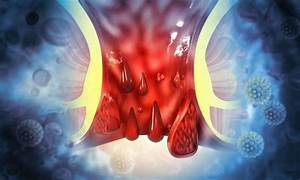
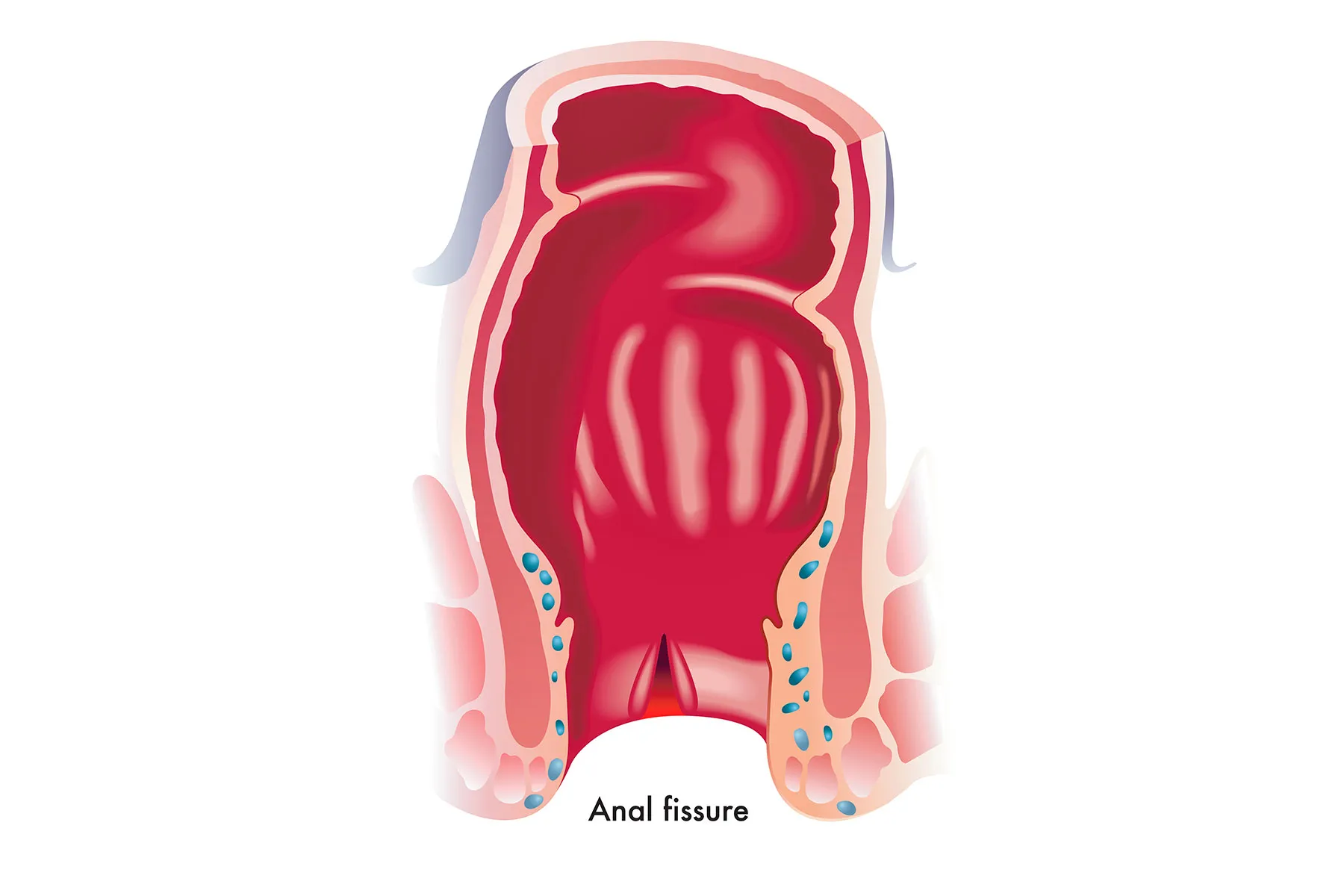
Advanced treatment for painful anal fissures with faster healing.
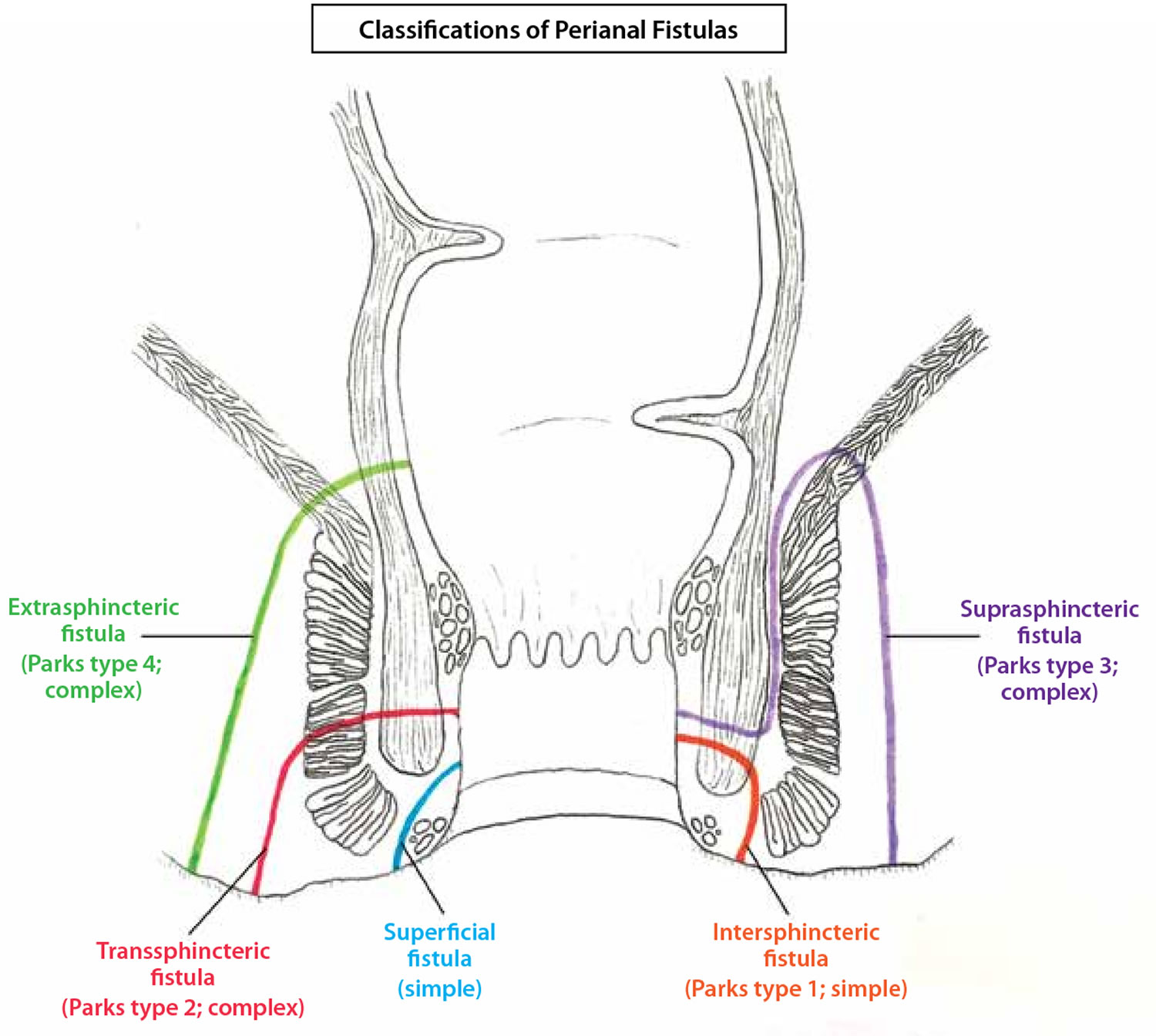
Ksharasutra therapy for complete healing and reduced recurrence.
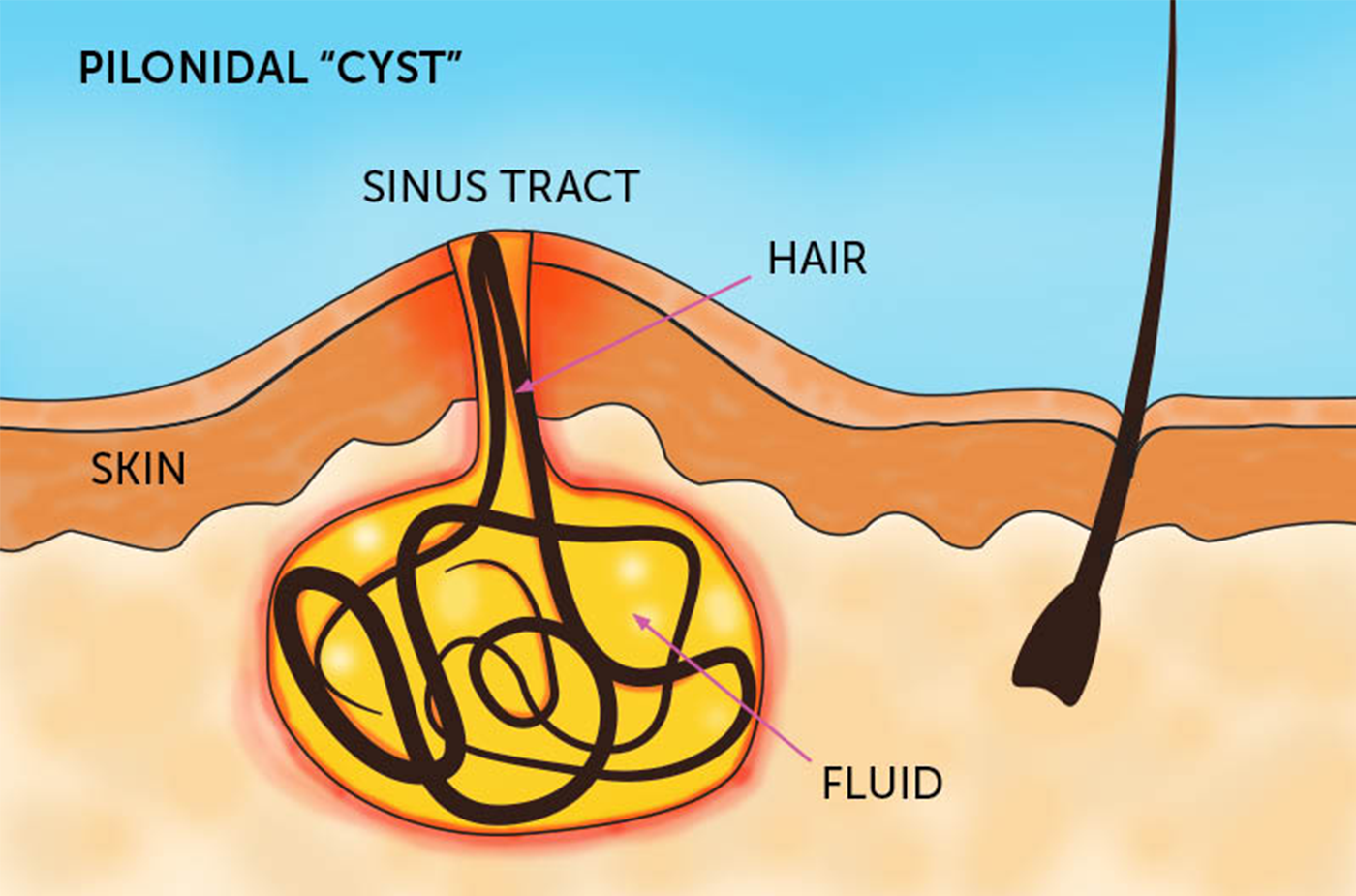
Safe Ayurvedic management of pilonidal sinus with minimal downtime.
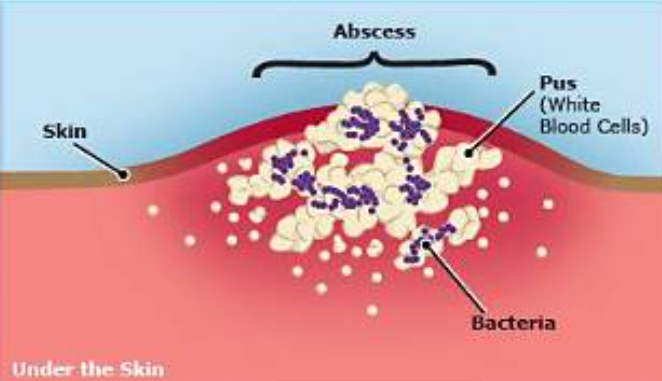
Timely drainage and treatment to prevent complications.
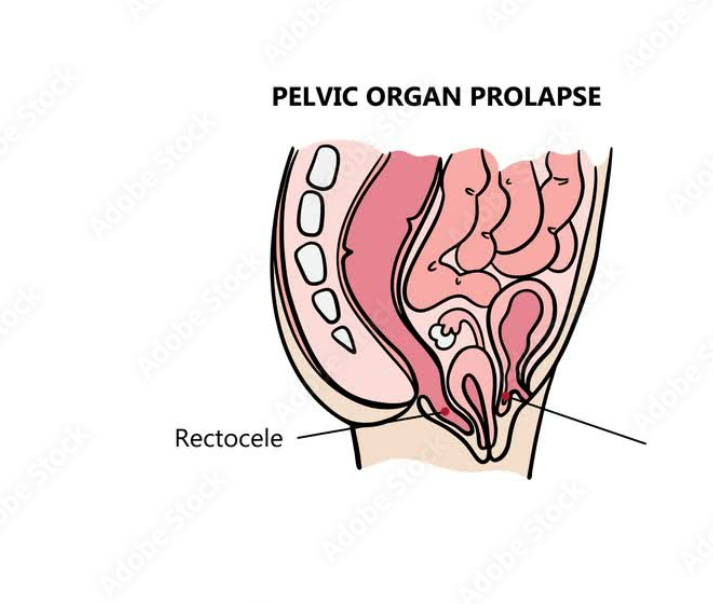
Specialized evaluation and treatment for rectal prolapse conditions.
Ksharasutra is a proven Ayurvedic para-surgical procedure recommended for treating Piles, Fissure, Fistula, Pilonidal Sinus and other ano-rectal disorders. It offers effective healing with minimal pain, reduced recurrence, and faster recovery.
Comfortable treatment with less discomfort.
Natural Ayurvedic treatment with excellent safety.
Return to daily routine much earlier.
Highly effective long-term results.
Treatment by experienced Ayurvedic specialists.
No prolonged hospital stay required.
We follow a systematic and patient-friendly treatment process to ensure accurate diagnosis, effective treatment, and faster recovery.
Meet our specialist for a detailed discussion of your symptoms and medical history.
Careful physical examination is performed to identify the exact ano-rectal condition.
The disease is diagnosed and the most suitable treatment plan is explained to the patient.
The required Ayurvedic para-surgical treatment is performed safely with minimal discomfort.
Regular follow-up visits ensure complete healing and long-term recovery.
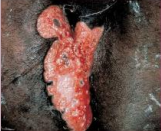
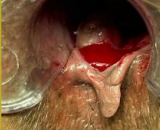
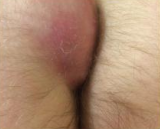
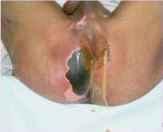
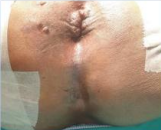
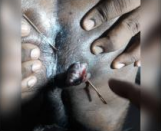
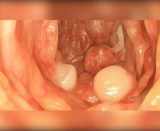
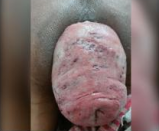
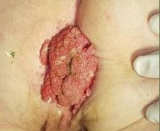
Every case shown below represents actual patients treated by our specialist using advanced Ayurvedic Ksharasutra Therapy. These images are shared for educational purposes and to help patients understand different ano-rectal conditions.
Usually a straining effort, sometimes unknown.
Sudden
Ovoid perianal swelling of variable size. Tender to touch and may extend into the anal canal.
A history of sudden onset of a perianal swelling combined with the clinical findings of a tender lump, sometimes extending into the anal canal, is diagnostic.
Papilloma Virus
Gradual
Lesions vary from pinhead-sized to large cauliflower-like growths. They may be sessile or pedunculated, frequently extending into the anal canal or rectum, and bleed easily.
Excludes others sexually transmitted diseases by appropriate tests. A biopsy will diagnose the condyloma with histopathologic examination of biopsied tissue.
Vast majority are idiopathic hereditary, in some instances chronic constipation is implicated in many. Pregnancy is a direct cause in some women.
Slowly progressive
Multiple swellings covered with mucous prolapse, Reducible in most instances.
Should be distinguished from mucosal prolapse complete rectal prolapse hypertrophied papilla and rectal polyp.
Donovania Granulomatis,a bacteria related to the klebsiella group.
Insidious
Initially a painless papule, vasicle or nodule. Inguinal lymph nodes enlarged with suppuration in some later chronic, soft, granulomatous ulcers extending for a variable distance from the primary area of infection.
A piece of granulomatous tissue is situated with wrights or glemsa's stain and donovan bodies in smears of fluids from scraping from the edge of lesions.
Mechanical trauma due to consupation and recurring over a period of time.
Recurrent episodes of pain and spasm.
Visible externally is the sentinel pile, which often masks the fissure. Spreading the anal verge, reveals the oval ulcer, which tapers into the anal canal towards the pectinate line. At its upper end, the hypertrophied papilla is often present.
The typical ulcer described above situated most commonly in the posterior midline is diagnostic on women, the anterior midline is affected many times.
Drilling of hair in the natal cleft.
Acute or chronic
If acute local signs of inflammation along with general signs of infection. If chronic, primary pits varying from one to six seen in the midline in the natal cleft. The pits may show tufts of hair. Secondary openings on either side of the variable distances.
A sinogram is rarely needed x-ray to exclude spina bifida is required, if the pits is present.
Bacterial infection. Commonest organism is E coli.
Acute
Unilateral or bilateral area of tenderness with signs of inflammation - calor, rubor, dolor and tumor.
A digital examination will determine the type i.e., the space involved in the inflammatory process.
Mycobacterium tuberculosis
Gradual
Lesion varying from a few centimeters to an area covering part of the buttock. The edges are flattened and the surface irregular.
Exclusion of other ulcerated lesions by biopsy.
Usually bacterial infection of the anal glands. Rarely inflammatory bowell disease and foreign bodies may be responsible.
Acute or chronic
If acute signs similar to an abscess. If chronic the openings discharge purulent fluid on pressure. Induration is felt between the opening and the tract. Digital examination and bimanual palpation reveals the exact direction of the tract.
Exclude other causes of an abnormal opening around the anus- bartholins gland infection, pilonidal disease.
Genetic abnormality in familial polyposis idiopathic in adenomatous, villous and juvenile polyps.
Gradual
Variable number from single to dozens felt at digital examination. Procto-sigmoidoscopy shows the number, size, location and anatomical configuration of the polyp.
Excision biopsy to determine type of polyp.
Variable from congenital loosenese of tha mesorectum to levator, weakness also considered as a sliding hernia of the rectum.
Gradual
All coats of the rectum seen to protrude on straining to a variable extent. surface of the mucous membrane may be ulcerated.
Exclusion from other protrusions haemorrhoids, mucous prolaps and intussusception.
Unknown in most instances. Malignant change in condyloma acuminata occasionally occurs.
Gradual
An ulcer of variable size with an everted margin. The ulcer feels hard to touch. It is friable and bleeds easily. The inguinal lymph nodes may also feel hard due either to metastases or secndary inflammation.
Biopsy of the lesion.